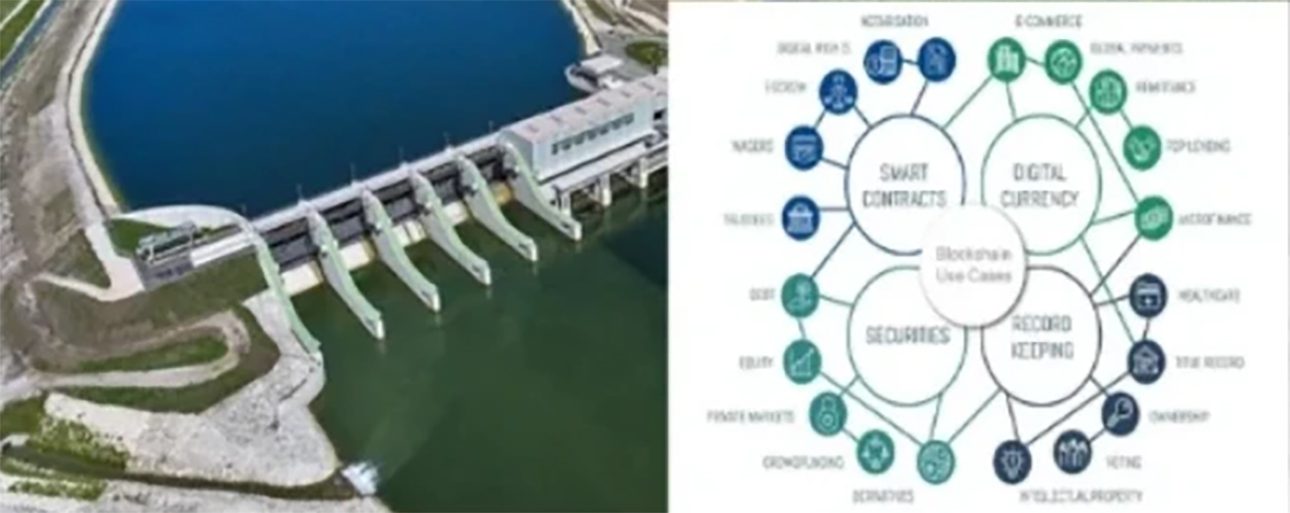
Infrastructure Asset Tokenization

About the Project
Financing is tied to understanding the performance risk of the project. Asset tokenization provides transparency, liquidity, integration of ESG metrics and engagement of retail and efficient investors.
In collaboration with the University of Florida and Blockchain Triangle, and with funding from Ripple’s UBRI Program, we are investigating the potential of blockchain tokenization to finance or make transparent performance of public infrastructure.


With many communities and developing countries unable to borrow, or exposed to expensive capital on the open markets, tokenization offers a potential solution.
The premise is that the capital investment or operations can be converted from long-term bonds, commercial debt and expensive private equity into tokens.
Finance infrastructure through blockchain-based tokenization
The tokens can be either utility (e.g. for every dollar paid in, the investor receives 2 dollars of energy) or security (equivalent to having a share in the infrastructure asset, with payouts based on performance). It has been argued that tokens reduce the cost of financing to the cost of software (smart contract), that transparency of performance renders financing through tokens more liquid, and that breaking up large capital commitments into smaller self-executing tokens allows access to more retail investors.
Related
Asset tokenization: A blockchain solution to financing infrastructure in emerging markets and developing economiesFinance infrastructure through blockchain-based tokenization